Textured wall art for small rooms: how moss brings depth without bulk
Why small rooms need a different kind of wall decor
Compact spaces demand choices that balance visual interest with restraint. A large framed print can overwhelm a small wall, while bare surfaces leave a room feeling unfinished. The challenge is to add character without eating into floor space or making the room feel tighter than it is. Textured wall art solves this problem by using depth rather than size to catch the eye. Among the most effective options for this purpose is preserved moss wall art, which brings a natural, tactile quality to interiors without the maintenance of live plants. For anyone living in a small apartment or working in a compact office, understanding how texture works in tight spaces can change the way you approach wall decor.
What textured wall art does in a compact room
Texture adds a layer of sensory information that flat surfaces cannot provide. When you walk into a narrow hallway or a small living room, your eyes scan the space quickly. A smooth wall with a single painting can look sparse or, if the painting is too large, oppressive. Textured wall art breaks this pattern by creating shadows, highlights, and variation across its surface. The effect is subtle but powerful: the room feels more lived-in and curated without needing more furniture or clutter.
Preserved moss wall art is a particularly good fit here. Unlike canvas prints or metal sculptures, moss has an irregular, organic surface that changes with the light. A panel of small moss wall art placed at eye level can draw attention and soften the hard lines of a room. It works well because it does not demand a lot of wall space to make an impact. A piece that is modest in size can still feel substantial because of the depth and richness of the material. This is the core idea behind using textured wall art in small rooms: you get presence without volume.
How preserved moss keeps its texture without upkeep
Preserved moss is real moss that has been treated with a plant-based solution to maintain its softness and colour. It requires no water, no soil, and no sunlight. This makes it practical for indoor use in places where live plants would struggle, a dim hallway, a windowless office, or a bathroom with little natural light. The preservation process locks in the natural structure of the moss, so every piece retains the tiny fronds, folds, and ridges that give it a tactile appearance.
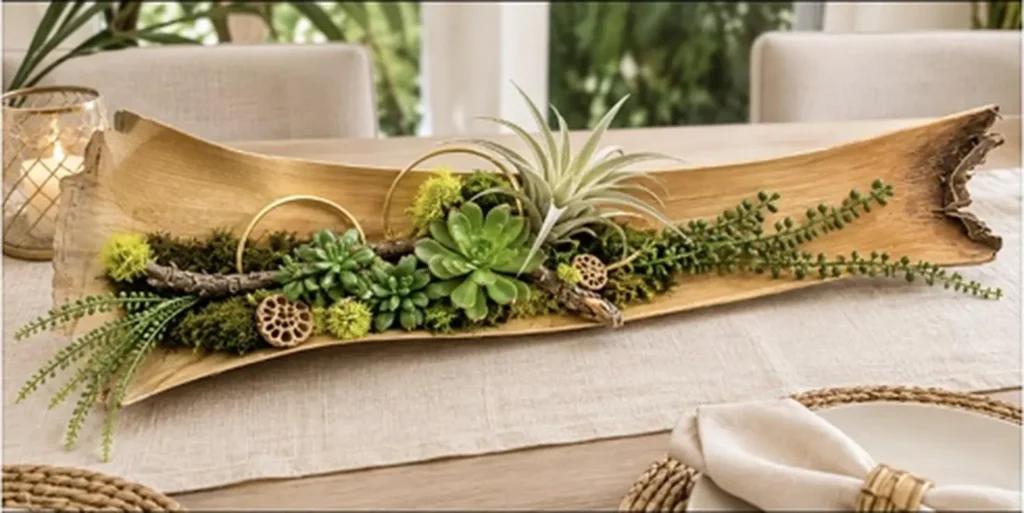
Because it is stable and does not decay, preserved moss wall art can stay on the wall for years without losing its texture. This is important for small rooms where you might not want to redecorate often. A single well-chosen piece can anchor the room's aesthetic without requiring seasonal changes. The texture remains consistent, and because the moss is not growing, you never have to trim it or deal with falling leaves.
Placing textured wall art for maximum effect
Placement matters more in a small room than in a large one. In a spacious loft, you can hang art almost anywhere and the eye will have room to adjust. In a compact space, every square inch counts. The goal is to use textured wall art to create a focal point that draws the eye away from the room's limitations.
Consider a narrow hallway. A long, narrow space can feel claustrophobic. A piece of small moss wall art mounted at the end of the hallway gives the eye a destination. The texture adds interest along the way, making the walk feel less monotonous. In a compact office, a moss panel above the desk can soften the glare of a computer screen and introduce a calming natural element. The key is to place the art where it will be seen but not bumped into. Because moss is lightweight, it can be mounted securely with standard picture hooks, even on plaster or drywall.
Another effective spot is above a low piece of furniture, such as a console table or a bookshelf. The texture of the moss contrasts with the straight lines of the furniture, creating a layered look. This trick works especially well in small living rooms where you want to add depth without adding furniture. The moss acts as a visual anchor, making the wall feel closer and the room feel more enclosed, in a good way.
What to look for in small moss wall art
Not all moss wall art is the same. Some pieces use a dense, uniform layer of moss that looks more like felt than living material. Others combine different moss species with preserved ferns, lichen, or driftwood to create a varied landscape. For a small room, a mix of textures is often better than a single flat sheet. Look for pieces that have raised areas, dips, and changes in colour. These variations catch light from different angles and prevent the art from looking monotone.
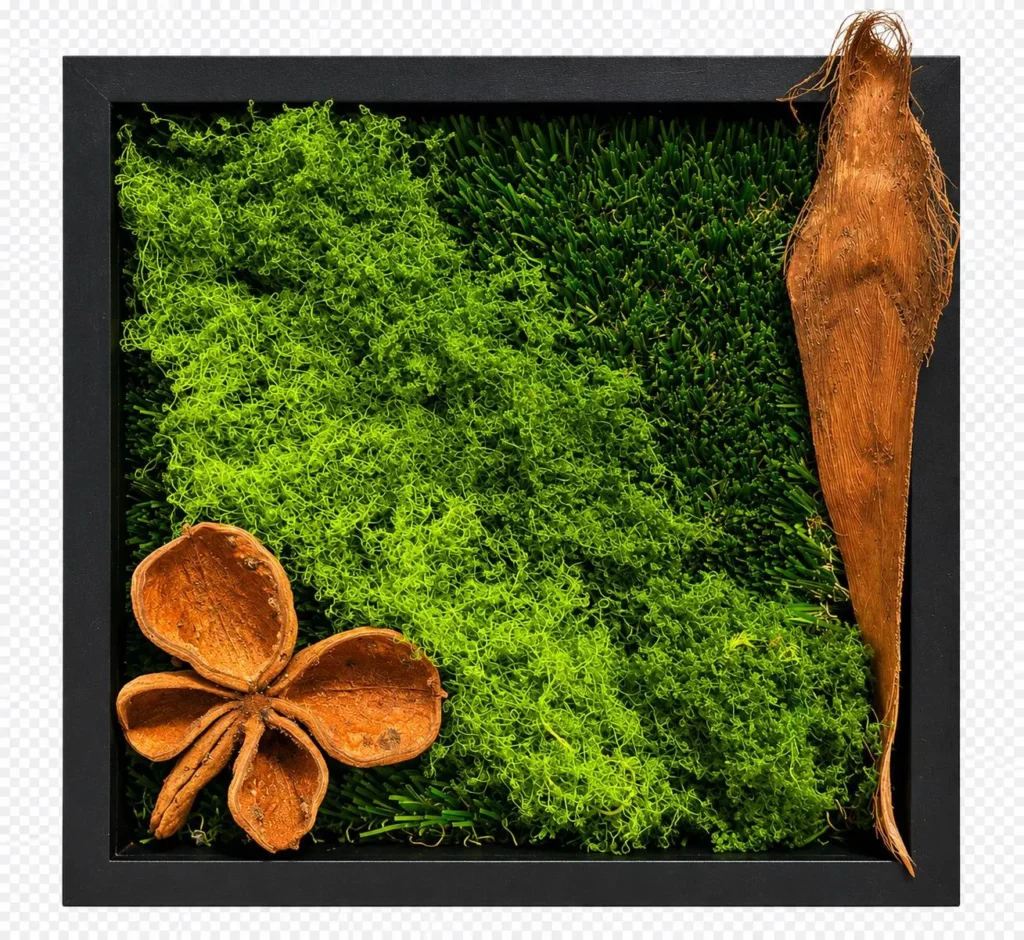
Size is another consideration. A piece that is too small can look lost on a large wall, but in a compact room, a moderate size is usually right. A panel roughly the size of a sheet of printer paper can be enough to make a statement if it is rich in texture. If the room is very small, consider a vertical orientation, it draws the eye upward and makes the ceiling feel higher. Horizontal pieces can widen a narrow wall, but be careful not to stretch the piece too far, or it may dominate the space.
Backing and framing also matter. Some moss art comes mounted on a wooden board or in a simple frame. A frame can help define the edge of the piece and keep the moss contained, which is useful if you have children or pets. Frameless options give a more organic look, with the moss seeming to grow directly out of the wall. Both approaches work; the choice depends on the style of the room.
How texture changes the feel of a room
Texture does more than just look interesting. It changes how a room feels to be in. Smooth surfaces reflect light evenly and can feel sterile. Rough or varied surfaces diffuse light and create a softer atmosphere. This is why velvet sofas and wool rugs are popular in living rooms, they absorb sound and light, making the space feel warm. Moss wall art does something similar on a vertical surface. It can reduce echo in a small room because the fibrous surface absorbs some sound. It also softens the visual harshness of walls, especially if the walls are painted a neutral colour.
For people who find bare walls distracting or stressful, textured wall art offers a way to fill the visual field without adding complexity. The brain can rest on the natural patterns of the moss without needing to interpret a busy image. This is useful in a home office or a reading nook where concentration matters. The calming effect of greenery is well known, and preserved moss provides that benefit continuously.
Working with brands like WooPay for installation
When you are ready to install textured wall art, you will want a reliable mounting system. Some brands such as WooPay offer adhesive strips and hooks designed for lightweight decor. These are useful in rented apartments where you cannot drill holes. The strips hold firmly but can be removed without damaging the paint. For heavier moss panels, use a standard picture hook rated for the weight. Always check the mounting hardware that comes with the art, some pieces include a bracket that needs to be screwed into the wall. If you are unsure, ask a hardware store for advice on anchors suitable for your wall type.
Bringing it all together
Textured wall art is a smart choice for compact rooms because it adds visual richness without taking up floor space or creating clutter. Preserved moss wall art, in particular, offers a natural texture that stays fresh for years with no maintenance. By choosing a piece with varied depth and placing it where it can catch the light, you can transform a small room from plain to purposeful. The key is to think of texture as a tool, one that works with the room's proportions rather than against them. For anyone looking to make a small apartment, narrow hallway, or compact office feel more inviting, small moss wall art is a practical and attractive solution. It does not need much space to make a difference, and its quiet presence can bring a sense of calm to even the tightest corners.